Pregnancy Back Pain Is No Joke — Here’s What Actually Helps
At some point in pregnancy, you stop bending down and start staring at the thing you dropped… seriously considering whether you even need it anymore.
Because bending? That’s now a strategic operation.
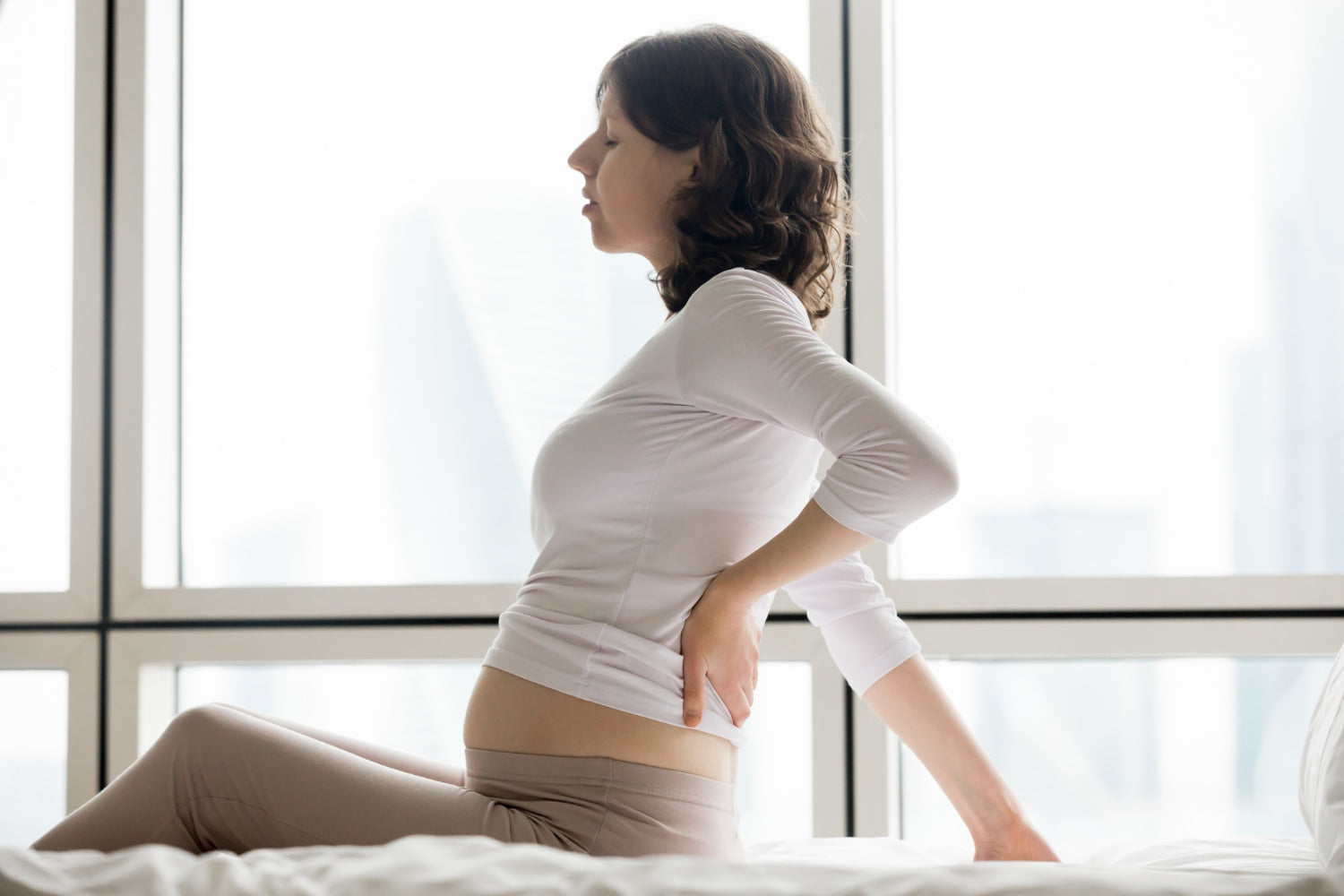
If your lower back feels like it’s been personally victimised by your growing bump, welcome. Pregnancy back pain is incredibly common — but that doesn’t mean you just have to grin and bear it.
Let’s talk about why it happens and, more importantly, what actually helps.
Why Does Pregnancy Suddenly Wreck Your Back?
Pregnancy is amazing. It’s also bio-mechanically chaotic.
As your baby grows, your belly shifts your centre of gravity forward. Your posture changes without you even realising it. Your lower back arches more to compensate. Then there’s relaxin — the hormone that loosens your ligaments in preparation for birth. Very helpful later. Slightly unhelpful right now when everything feels less stable than usual.
Your muscles and joints are working overtime just to keep you upright. Add in standing at work, school drop-offs, chasing toddlers, or even just trying to sleep comfortably, and it’s no wonder your back is protesting.
It’s not weakness. It’s physics.
The Types of Pain You Might Notice
For some mums it’s a dull ache that builds through the day. For others, it’s sharp pelvic pain when turning in bed (why is rolling over suddenly an Olympic event?). Some experience sciatic pain that shoots down one leg. Others describe it as a heavy, dragging feeling under their bump that makes everything feel harder.
All of this is common. None of it is “just in your head”.
So What Actually Helps?
First, small posture adjustments can make a noticeable difference. Think tall but relaxed. Imagine a gentle lift through the crown of your head rather than forcing yourself to stand ramrod straight. Avoid locking your knees and try not to over-arch your lower back in an effort to “stand properly”. Subtle changes can reduce strain more than you’d expect.
Movement is also important, even when you feel stiff. Gentle walking, prenatal yoga, pelvic tilts or even swimming can relieve pressure and keep muscles from tightening up. The key is gentle consistency rather than pushing through discomfort.
Sleep setup matters more than ever too. A pillow between your knees helps align your hips. A small pillow tucked under your bump can relieve that pulling sensation. Even placing a pillow behind your back can stop you from rolling flat and straining your pelvis. It won’t make you sleep like you did pre-pregnancy — but it can take the edge off.
And then there’s support.
As your bump grows, it quite literally pulls your body forward. Your lower back tries to compensate all day long. A maternity support belt works by gently lifting and redistributing the weight of your belly so your back and pelvis don’t have to carry it alone.
A well-designed support belt should feel secure without being restrictive. It should sit comfortably under your bump, be adjustable as you grow, and be breathable enough for real life — whether that’s a humid Kiwi afternoon or an Aussie summer that refuses to calm down.
The Maternity Support Belt from River & Oak was created with everyday wear in mind. It’s supportive without being bulky, adjustable to grow with you, and easy to slip on before a long day on your feet. Think school runs, supermarket missions, work shifts, or toddler wrangling. It’s not dramatic. It’s just practical support where you need it most.
And sometimes practical is exactly what pregnancy calls for.
When Should You Consider Extra Support?
Many mums start looking into a support belt during the second or third trimester when their bump starts to feel heavy or when back pain becomes a daily companion rather than an occasional annoyance. If standing for long periods leaves you aching, or if you find yourself constantly holding your belly for relief, that’s usually a sign your body could use some backup.
It’s not about “fixing” your body. Your body is doing something extraordinary. It’s about supporting it while it does that work.
Of course, if your pain is severe, worsening, or affecting your ability to walk, it’s important to speak with your midwife, GP or a women’s health physio. Pelvic girdle pain is common across New Zealand and Australia, and there are brilliant professionals who can help. A support belt can be part of the plan — but it’s not a replacement for proper care when it’s needed.
The Honest Truth
Pregnancy back pain is common. But constant discomfort doesn’t have to be your baseline.
You deserve to feel supported. You deserve to move without wincing every time you turn over in bed. And you absolutely deserve to pick something up off the floor without mentally preparing for battle.
If your bump feels heavier than your patience lately, a little extra support can make everyday life feel more manageable.
Growing a human is already a full-time job. Your back doesn’t need to do it alone.